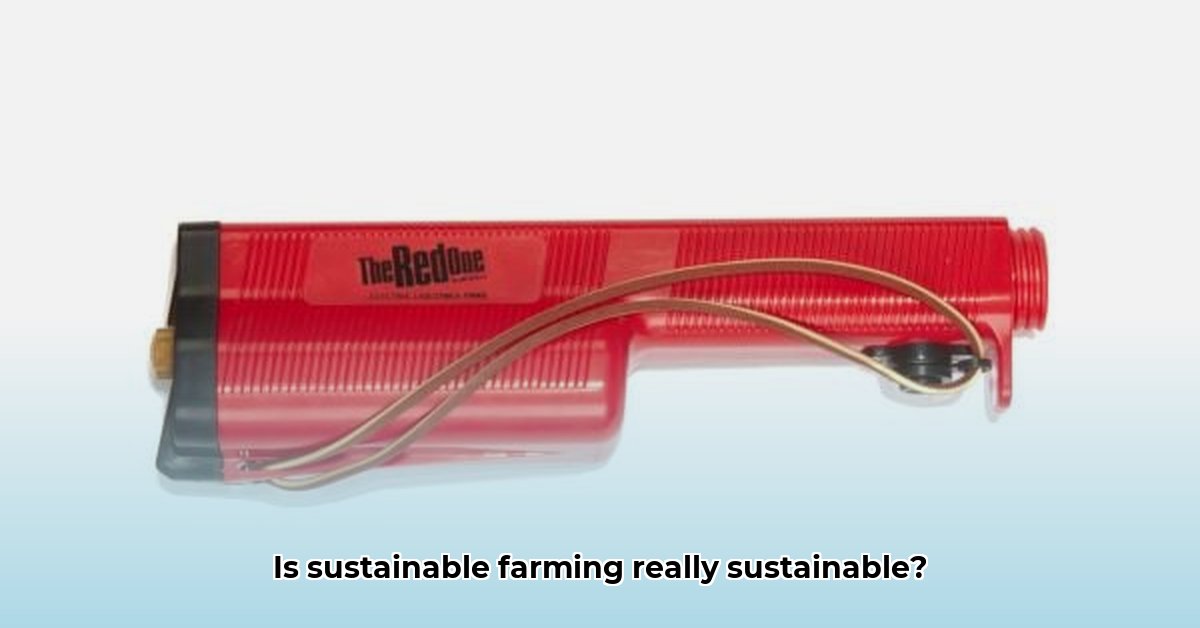
What are Cattle Prods and How Are They Used?
Cattle prods are electric devices used to manage and control livestock. They deliver a brief electrical shock, designed to encourage movement and compliance. The intensity of the shock can vary, ranging from a mild nudge to a more forceful jolt. Farmers often use them for herding cattle, moving them through gates, or guiding them in specific directions, often citing efficiency and safety as justifications. Their availability at retailers like Tractor Supply highlights their common usage in contemporary livestock farming.
The Ethical Debate: Humane Treatment vs. Efficiency
The use of cattle prods is a subject of considerable ethical debate. Proponents argue that they are necessary tools for managing large herds, preventing accidents, and ensuring efficient operations, prioritizing safety for both the animals and the handlers. However, critics strongly contend that the use of any electric shock, even a mild one, causes pain and distress to the animal, potentially leading to behavioral changes and decreased overall welfare. Furthermore, there's a significant concern regarding the potential for misuse, either through accidental overuse or intentional infliction of pain.
"Even a seemingly minor shock can induce significant stress and fear in cattle, impacting their overall well-being," states Dr. Sarah Jones, Veterinarian and Animal Welfare Specialist, University of California, Davis. "The potential for misuse underscores the need for alternative, humane handling methods."
This ethical dilemma is further complicated by the fact that the level of distress caused by a cattle prod can vary greatly depending on factors such as the animal's temperament, the intensity of the shock, and the manner in which it is applied. While some animals might exhibit only minor reactions, others might experience significant fear and pain.
Cattle Prods and Sustainable Agriculture: A Complex Relationship
Sustainable agriculture emphasizes the interconnectedness of environmental stewardship, economic viability, and animal welfare. The use of cattle prods presents a direct challenge to this holistic approach. While proponents argue for increased efficiency in herding, critics highlight the inherent conflict between inflicting pain, however slight, and aiming for humane treatment, a cornerstone of sustainable agricultural practices. The ethical considerations around cattle prods cannot be separated from the broader sustainability goals of reducing animal stress and improving overall animal health.
A stressed animal is likely less efficient in its feed conversion, possibly leading to greater resource consumption and increased environmental impact. This contradicts the core principles of sustainable livestock farming.
Alternatives to Cattle Prods: Promoting Humane Livestock Handling
Fortunately, numerous alternatives to cattle prods exist, many built around the principles of positive reinforcement and low-stress handling methods. These alternative techniques often involve training cattle to respond to vocal cues, visual signals, and the use of gentle guiding tools. The focus is on creating a positive and calm interaction with the animals, avoiding the use of any aversive stimuli.
"Well-trained herding dogs can be incredibly effective in managing cattle without the need for any electric shocks," notes Mark Olsen, Livestock Management Expert, Purdue University. "This approach promotes a calmer, more humane environment for the animals while often being just as, if not more, efficient."
These methods also lead to decreased stress hormones in the animals which contributes to better animal health.
Conclusion: Re-evaluating Practices for a Sustainable Future
The availability of cattle prods at Tractor Supply underscores a larger conversation about ethical choices within sustainable agriculture. The simple existence of these devices on shelves forces a critical examination of what constitutes sustainable farming strategies. While efficiency is crucial, we must prioritize animal welfare and avoid practices that cause unnecessary pain or suffering. A viable, sustainable future in agriculture depends on ongoing research into alternative livestock management practices and a willingness to adopt more compassionate and humane approaches.
Key Takeaways:
- The use of cattle prods in livestock management is ethically complex, pitting efficiency against animal welfare.
- Ethical concerns over pain and distress caused by cattle prods challenge the principles of sustainable agriculture.
- Numerous humane and effective alternatives to cattle prods exist, prioritizing positive reinforcement and reducing animal stress.
- Sustainable agriculture demands a holistic approach, considering all impacts of farming practices on animals, the environment, and the long-term viability of the industry.